Infrared photography shows the world in a way our eyes can’t – by capturing natural light just beyond the visible spectrum. To do it you need a specially converted camera (or a screw on filter if the camera isn’t converted – but that involves horribly long shutter speeds and a tripod, and I don’t have the patience for either of those).
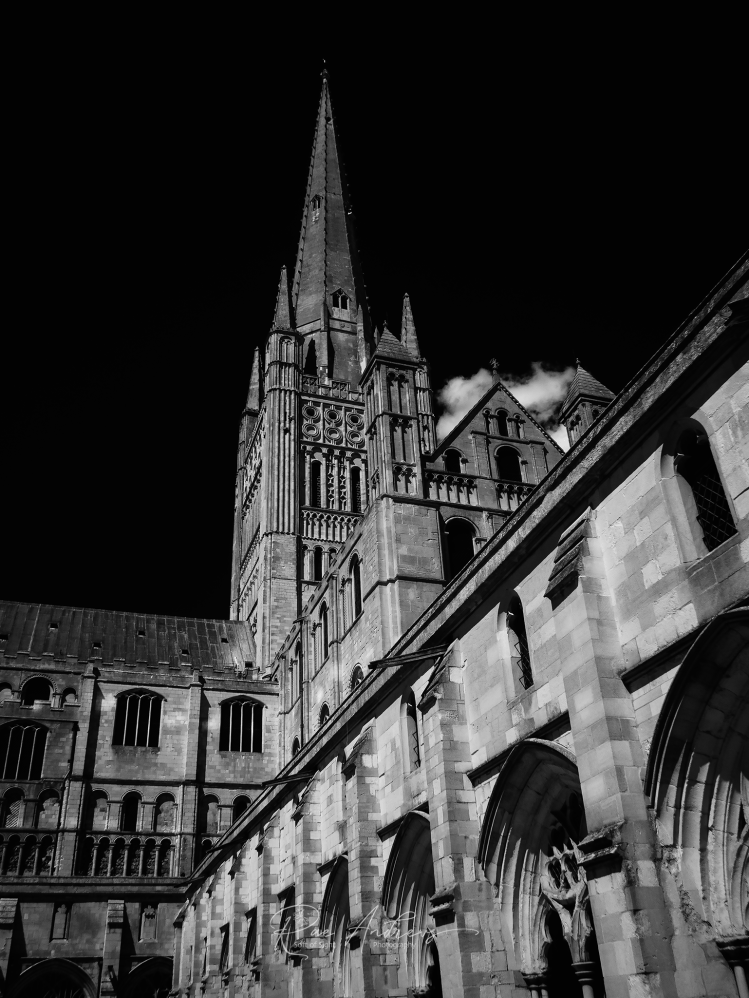
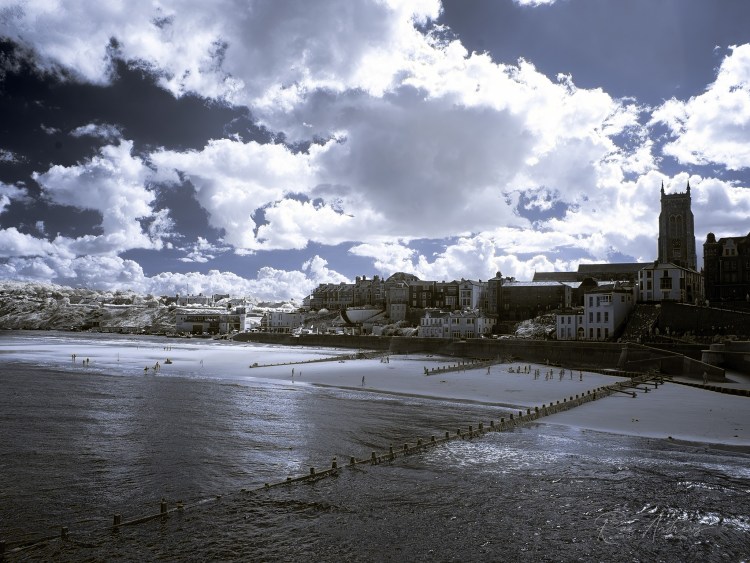
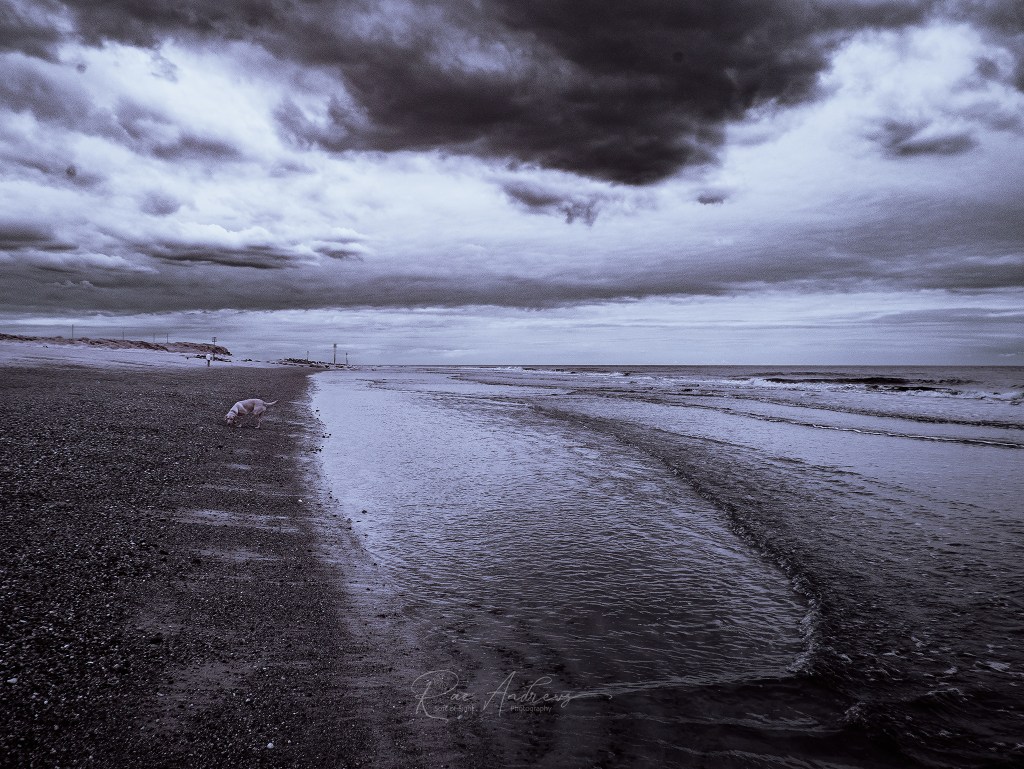
I use two converted mirrorless cameras – a Panasonic GX7 converted to 720 nanometers, which makes green foliage glow like frost and turns blue skies almost black, and a scrappy little full-spectrum camera that surprises me every time I use it. It’s cheap and old and I have no idea what I’m pointing it at most of the time as it has no viewfinder, only an LCD screen that I can’t see … so it really is a surprise when I review the shots.
It’s a technique that thrives on strong sunlight – as the sun is a massive source of infrared light. The best conditions are the kind that make most people squint and reach for their sunglasses, and is traditionally too harsh for other type of photography. The results are surreal, often dreamlike. Trees shimmer, grass glows, and familiar landscapes become something entirely new. It’s not magic – just very peculiar physics.
 Soft of Sight Photography